
Prof (Dr) Renjith Thomas CChem, FRSC
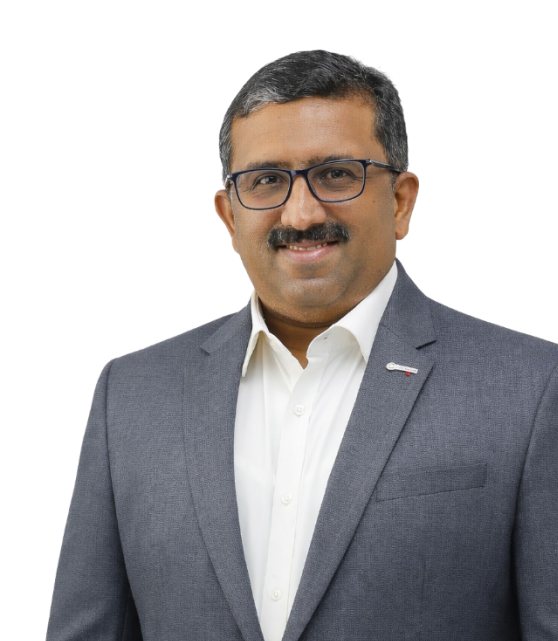
About

The Theoretical and Computational Chemistry Research Group at the St. Berchmans College CTCC is a dynamic hub for scientific innovation and discovery. Established in 2022, our group has rapidly built a reputation through a consistent record of high-impact publications and the successful pursuit of competitive research grants. We pride ourselves on a vibrant, inclusive culture that unites PhD scholars, postdoctoral fellows, and dedicated undergraduate and postgraduate students. By integrating visiting researchers and maintaining strong global collaborations, we foster an interdisciplinary environment where diverse expertise drives breakthroughs in the molecular sciences.
Please see the research page to know more about our research and also the about page to know more about the Dr Renjith Thomas.
Our Publications

R. Thomas, A.A. Khairbek, S.A. Sunny, A.Y.A. Alzahrani, Machine learning analysis of metalloid nanoclusters from the Quantum Cluster Database: Structural-phase transitions, electronic-geometric coupling, and exploratory binary nano-alloy predictions, Calphad 94 (2026) 102978. doi.org/10.1016/j.calphad.2026.102978
View
Modelling of polymer blends
R. Thomas, A.M. John, A.Y.A. Alzahrani, T. Pooventhiran, D.I. Saleh, S.F. Mahmoud, Dispersion-Dominated Noncovalent Stabilization with Weak Polarization-Assisted O···H Contacts in the PMMA-PS Polymer Framework, Macromol. Chem. Phys. 227 (2026). doi.org/10.1002/macp.70290
View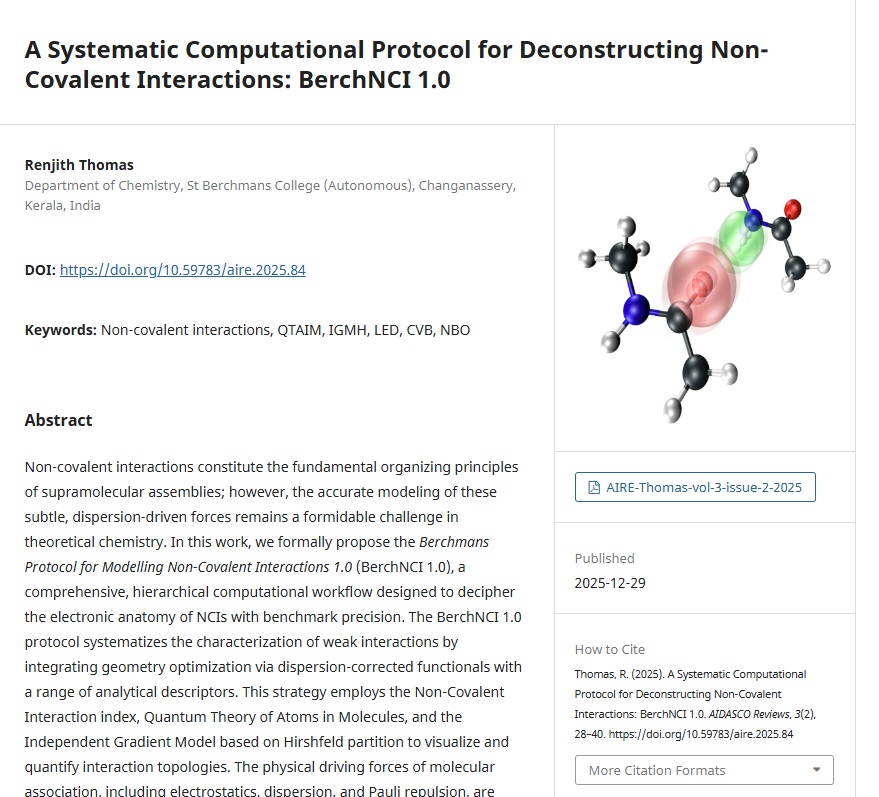
A Systematic Computational Protocol for Deconstructing Non-Covalent Interactions: BerchNCI 1.0
Non-covalent interactions constitute the fundamental organizing principles of supramolecular assemblies; however, the accurate modeling of these subtle, dispersion-driven forces remains a formidable challenge in theoretical chemistry. In this work, we formally propose the Berchmans Protocol for Modelling Non-Covalent Interactions 1.0 (BerchNCI 1.0), a comprehensive, hierarchical computational workflow designed to decipher the electronic anatomy of NCIs with benchmark precision.
View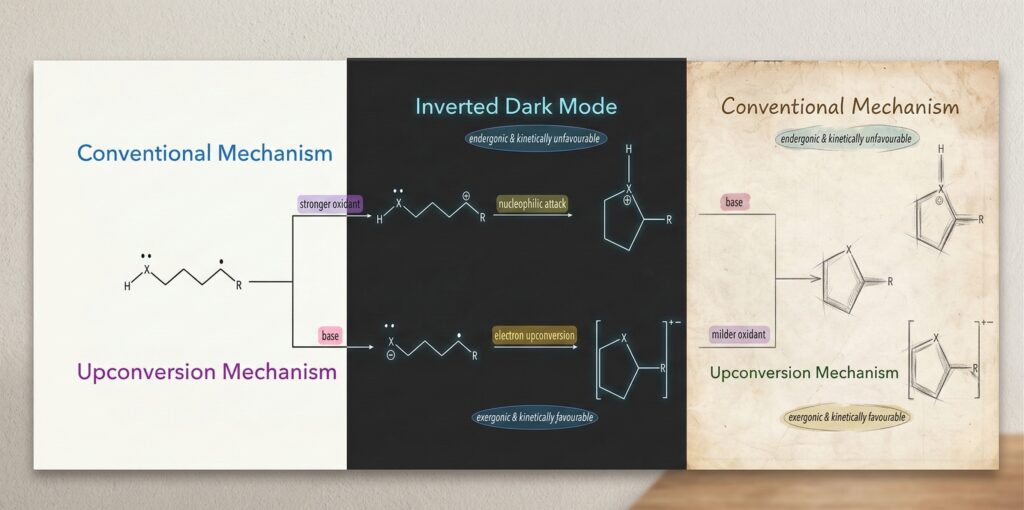
Electron Upconversion Enables CP and CS Bond Formation Under Mild Oxidative Conditions: A Theoretical Study
Meera's first paper as the part of her PhD thesis published in Journal of Computational Chemistry. The work has been based on some of the finidngs of Prog Igor Alabugin of Florida State University, USA. Traditional methods for forming carbon–phosphorus (C–P) and carbon–sulfur (C–S) bonds often rely on strong oxidants that generate high-energy carbocation intermediates, frequently leading to unwanted side reactions. In this work, we employ DFT to investigate an alternative mechanism operating under basic conditions that utilizes three-electron bond formation and concomitant electron upconversion. Our computational results reveal a radical-anionic pathway initiated by a cyclization to form a 2-center-3-electron (2c-3e) bond, followed by the oxidation of the resulting upconverted radical-anion by mild oxidants such as molecular oxygen . This pathway is shown to be both thermodynamically and kinetically favored over conventional two-electron routes, providing a more controlled and selective strategy for C–P and C–S bond construction. These findings suggest that electron-upconversion mechanisms can significantly advance green chemistry by reducing dependence on harsh reagents and minimizing synthetic side reactions.
ViewWhat We Do
The group has established a strong presence in the scientific community through a robust publication record and the successful acquisition of competitive research funding. It consists of a vibrant and diverse team of PhD scholars, postdoctoral researchers, and MSc students, fostering a collaborative and interdisciplinary environment for scientific inquiry and discovery.
News & Updates
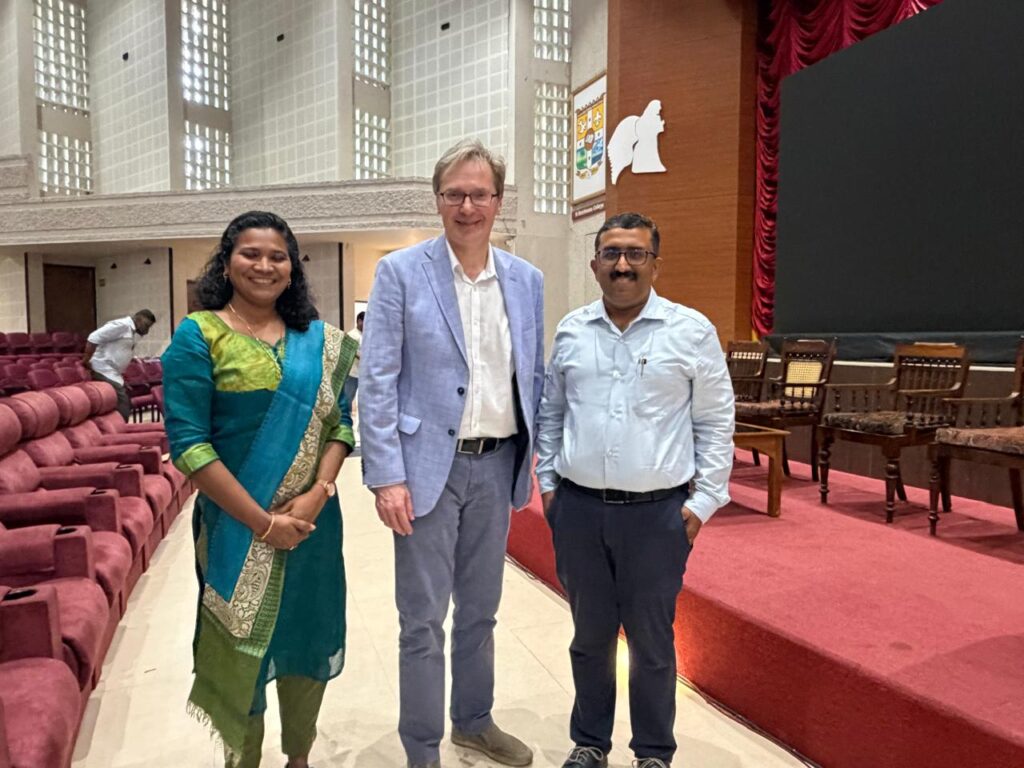
Prof Igor Alabugin, Florida State Univeristy, Visits our lab
WIth my friend and collabortaor, Prof Igor Alabugin, Florida State University, visiting St Berchmans College for an expert talk.

Schrodinger Webinar series
We are delighted to announce the successful completion of our International Webinar Series-2026 organised by the Centre for Theoretical and Computational Chemistry (CTCC), in celebration of the 100 Years of the Schrödinger Equation (1926–2026). 🧑🏫This special webinar series brought together eminent scientists, researchers, academicians, and students from around the world to commemorate one of the greatest milestones in the history of modern science. Through insightful lectures, engaging discussions, and a Junior Researchers Meet, we celebrated the enduring legacy of Erwin Schrödinger and the profound impact of the Schrödinger equation on physics, chemistry, materials science, quantum computing, and many other disciplines.🧑🎓🧑🔬 We extend our heartfelt gratitude to all our distinguished speakers, presenters, and participants for their enthusiastic participation and invaluable contributions. Your support and engagement made this celebration a truly memorable and enriching scientific event.❤️🙏🎉
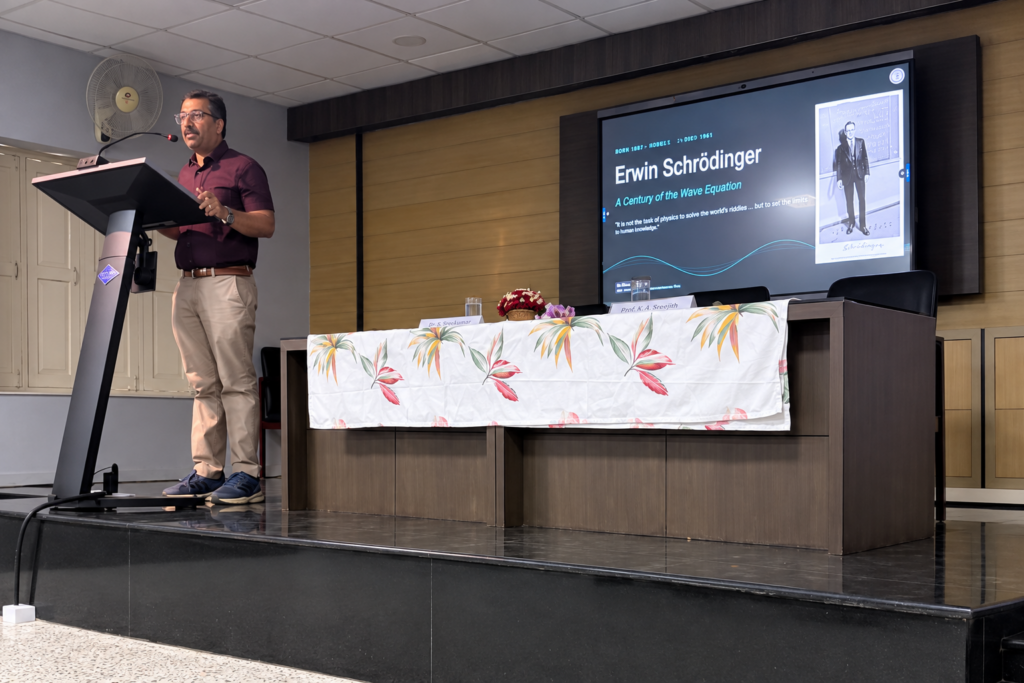
Sepaking at Coimbatore
Giving a Keynote address as PSGR Krishnammal College for Women, Coimbatore. June, 2026
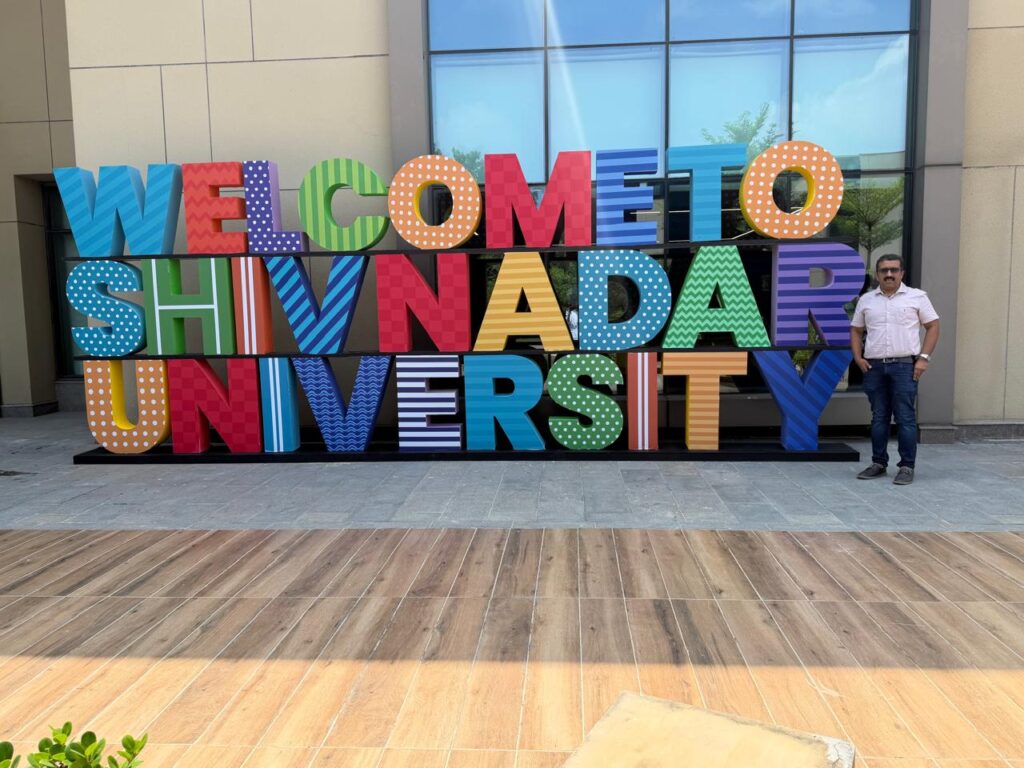
@Shiv Nadar University, Delhi
At SNiOE, where Andrew studies BSc by Reserach in Chemistry
Get In Touch
We welcome research collaborations and enquiries from theoreticians, experimental chemists, and interdisciplinary researchers. Prospective PhD, postdoctoral, and student researchers are encouraged to contact us via the details below or the message form.
Prof. (Dr.) Renjith Thomas
FRSC
Department of Chemistry
St. Berchmans College (Autonomous)
Changanassery, Kerala, India – 686101
https://faculty.sbcollege.ac.in/profile/renjith.thomas.frsc
www.thertlab.org
[email protected]
[email protected]
+91 95446 58314