
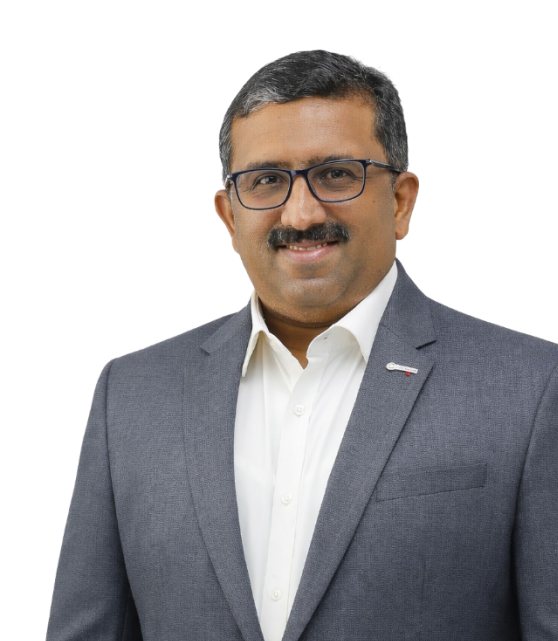
Prof (Dr) Renjith Thomas CChem, FRSC
About

The Theoretical and Computational Chemistry Research Group at the St. Berchmans College CTCC is a dynamic hub for scientific innovation and discovery. Established in 2022, our group has rapidly built a reputation through a consistent record of high-impact publications and the successful pursuit of competitive research grants. We pride ourselves on a vibrant, inclusive culture that unites PhD scholars, postdoctoral fellows, and dedicated undergraduate and postgraduate students. By integrating visiting researchers and maintaining strong global collaborations, we foster an interdisciplinary environment where diverse expertise drives breakthroughs in the molecular sciences.
Please see the research page to know more about our research and also the about page to know more about the Dr Renjith Thomas.
Our Publications
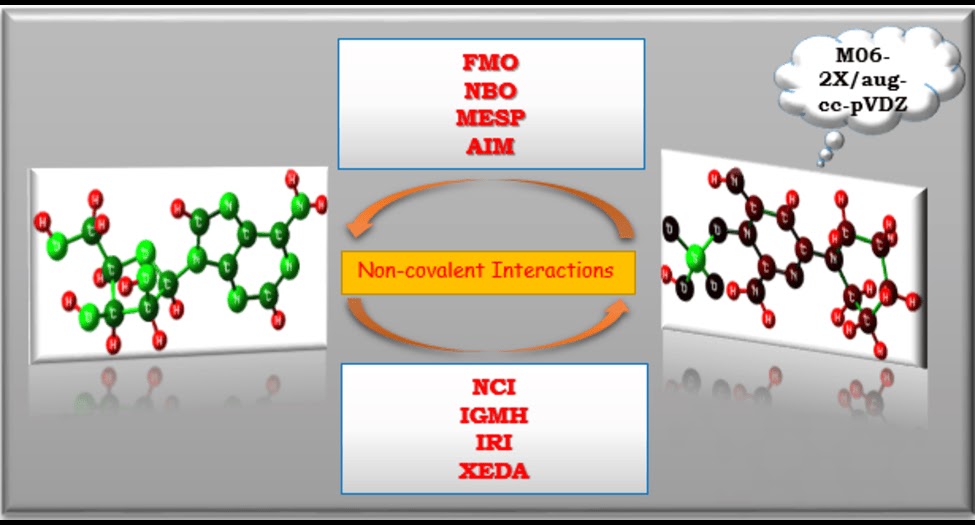
Sneha & Ananya’s paper in Journal of Physical Chemistry B
PhD student Sneha Anna Sunny's paper on the Mapping the Interaction Landscape of Adenosine and Minoxidil Sulfate Using an Independent Gradient Model Based on Hirshfeld Partition and Interaction Region Indicator. Ananya Prakash is a final year MSc Physics student of our college who worked in our lab as part of the Kerala Theoretical Physics Initiative (KTPI) student project initiative,
View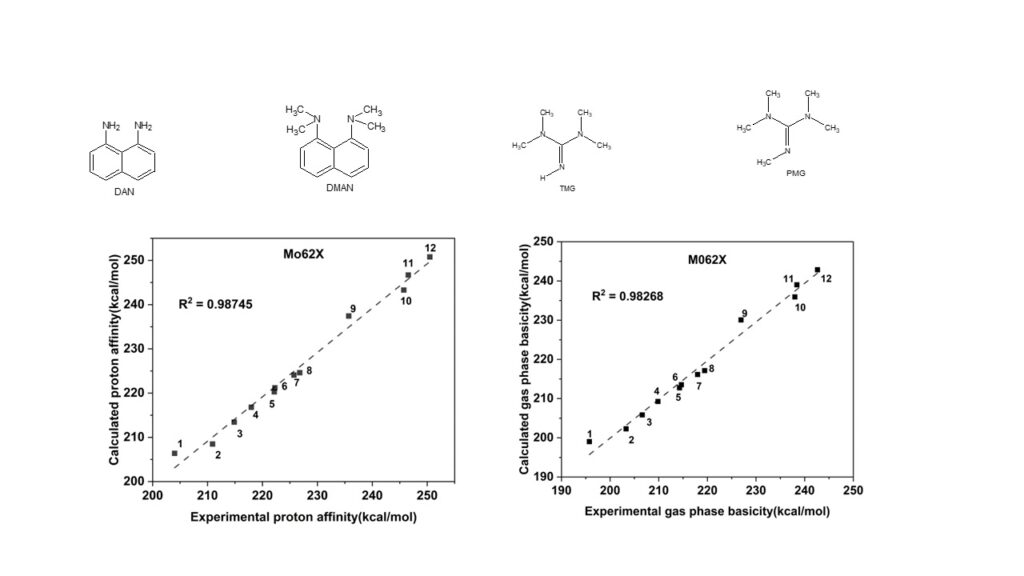
Manjesh Mathew: Benchmarking Computational Approaches for Proton Affinity
In this collaborative study with Dr Ralph Puchta, Manjesh Mathew, PhD student assessed the proton affinities and gas phase basicities of molecules ranging from ammonia to proton sponges like PMG using computational methods including B3LYP, BP86, PBEPBE, APFD, wB97XD, and M062X with the def2tzvp basis set. The M062X method showed the highest accuracy, closely matching experimental results for all examples, especially those containing heteroatoms, while APFD and wB97XD tended to overestimate values. Dispersion corrections were evaluated but found not to significantly affect basicity predictions. Computational and Theoretical Chemistry
View
Alen Binu Abraham : Non-Covalent Interactions of Caffeine and Ascorbic Acid
In this study, we explored the non-covalent interactions between caffeine and ascorbic acid, focusing on their hydrogen bonding in both gas and solvent (water) phases, using Density Functional Theory. The binding energy calculations revealed significant interactions with values of −14.65 kcal/mol in the gas phase and −11.62 kcal/mol in water. Through Natural Bond Orbital, RDG, AIM, and LED analyses, we confirmed the stabilization energy and electron delocalization in the caffeine-ascorbic acid complex, enhancing our understanding of drug-drug interactions and their implications for drug efficacy and delivery systems. Abraham, Alen Binu, Alzahrani, Abdullah Y. and Thomas, Renjith. "Exploring non-covalent interactions between caffeine and ascorbic acid: their significance in the physical chemistry of drug efficacy" Zeitschrift für Physikalische Chemie, vol. 238, no. 2, 2024, pp. 401-420.
View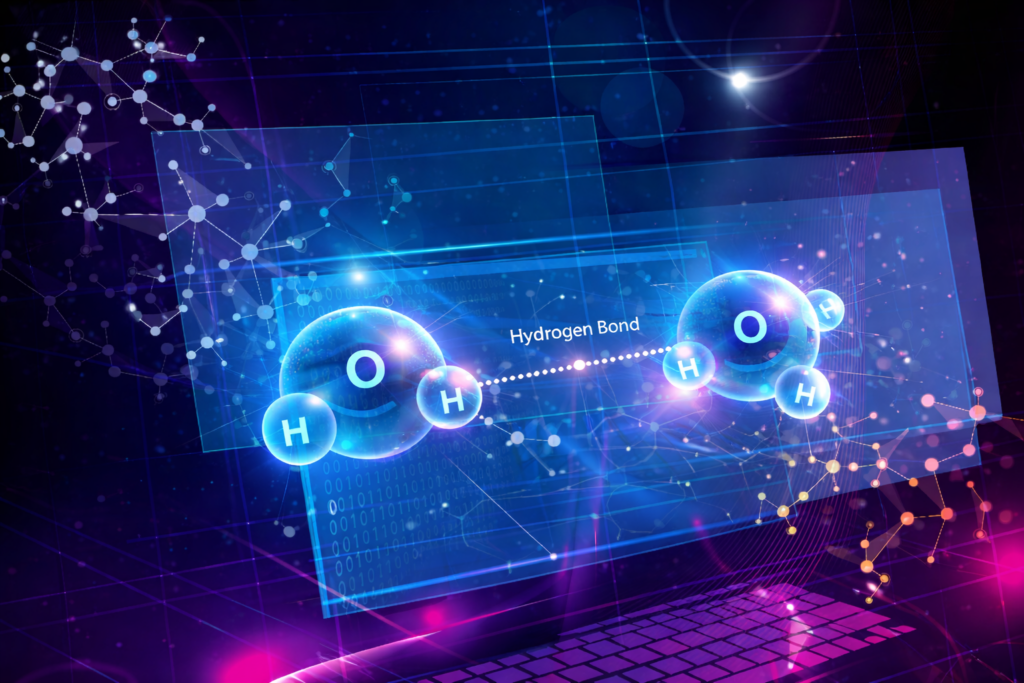
Gayathri: Hydrogen Bonding and Dynamics of Prontosil in Water and Methanol
In this theoretical study, we investigated the solvation energies of prontosil, a pioneering sulfa drug, in water and methanol using DFT/M06-2X/cc-pVDZ level of theory. Our findings reveal that prontosil shows more favorable interactions with methanol than water, as evidenced by NBO, RDG, QTAIM analyses, and local energy decomposition (LED) analysis using DLPNO-CCSD(T). The prontosil-methanol complex displayed the lowest binding energy and highest stability, suggesting methanol as a more suitable solvent for prontosil in terms of molecular interactions and stability. These insights are further corroborated by ab initio molecular dynamics simulations, underscoring the importance of solvent choice in drug design and molecular interaction studies. Here is the link to "Understanding the hydrogen bonding preferences and dynamics of prontosil in water and methanol":
ViewWhat We Do
The group has established a strong presence in the scientific community through a robust publication record and the successful acquisition of competitive research funding. It consists of a vibrant and diverse team of PhD scholars, postdoctoral researchers, and MSc students, fostering a collaborative and interdisciplinary environment for scientific inquiry and discovery.
News & Updates
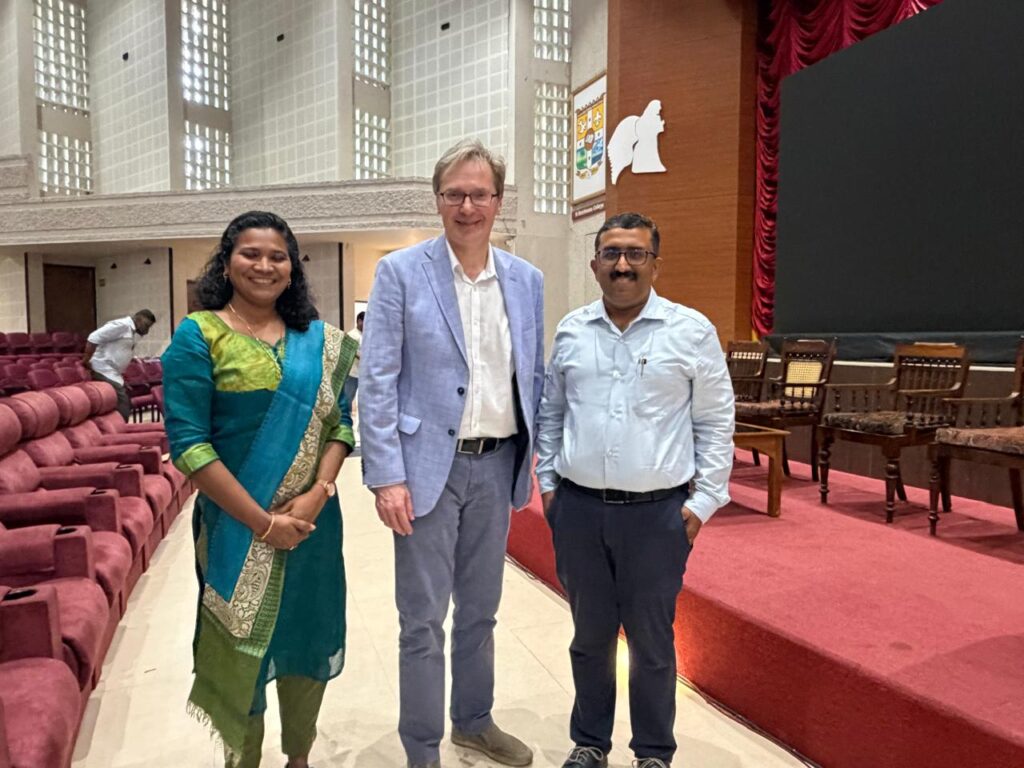
Prof Igor Alabugin, Florida State Univeristy, Visits our lab
WIth my friend and collabortaor, Prof Igor Alabugin, Florida State University, visiting St Berchmans College for an expert talk.

Schrodinger Webinar series
We are delighted to announce the successful completion of our International Webinar Series-2026 organised by the Centre for Theoretical and Computational Chemistry (CTCC), in celebration of the 100 Years of the Schrödinger Equation (1926–2026). 🧑🏫This special webinar series brought together eminent scientists, researchers, academicians, and students from around the world to commemorate one of the greatest milestones in the history of modern science. Through insightful lectures, engaging discussions, and a Junior Researchers Meet, we celebrated the enduring legacy of Erwin Schrödinger and the profound impact of the Schrödinger equation on physics, chemistry, materials science, quantum computing, and many other disciplines.🧑🎓🧑🔬 We extend our heartfelt gratitude to all our distinguished speakers, presenters, and participants for their enthusiastic participation and invaluable contributions. Your support and engagement made this celebration a truly memorable and enriching scientific event.❤️🙏🎉
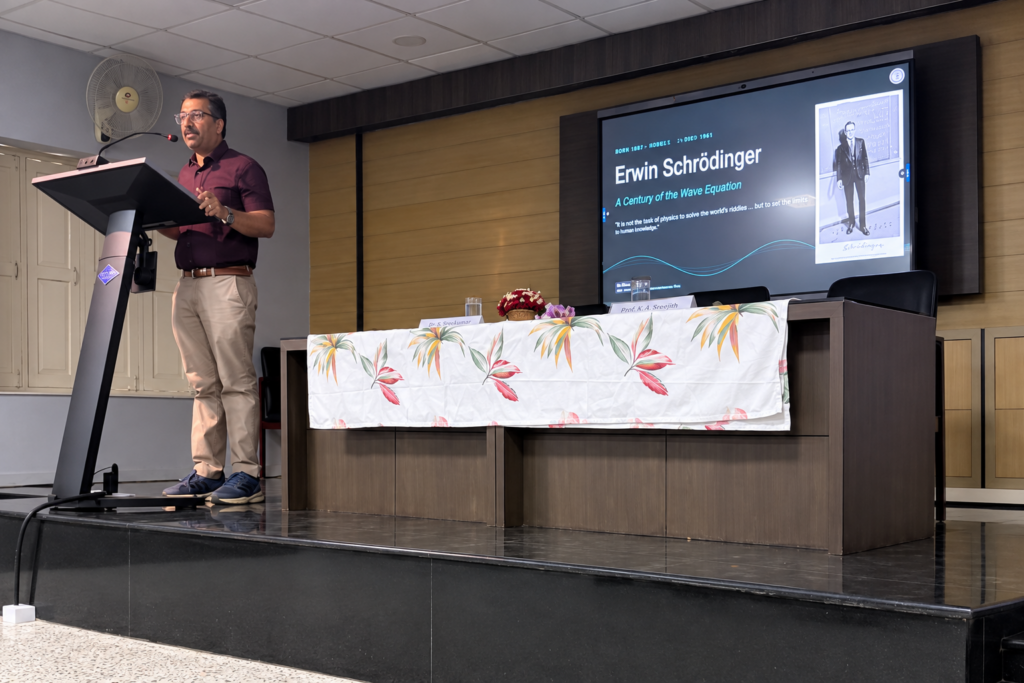
Sepaking at Coimbatore
Giving a Keynote address as PSGR Krishnammal College for Women, Coimbatore. June, 2026
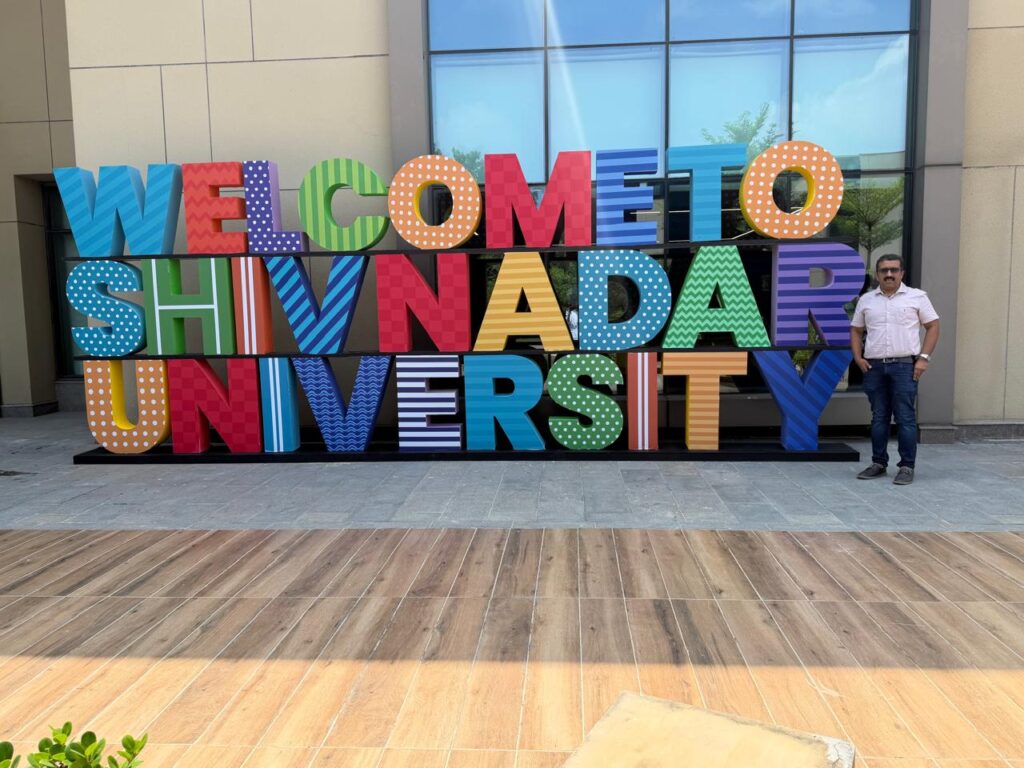
@Shiv Nadar University, Delhi
At SNiOE, where Andrew studies BSc by Reserach in Chemistry
Get In Touch
We welcome research collaborations and enquiries from theoreticians, experimental chemists, and interdisciplinary researchers. Prospective PhD, postdoctoral, and student researchers are encouraged to contact us via the details below or the message form.
Prof. (Dr.) Renjith Thomas
FRSC
Department of Chemistry
St. Berchmans College (Autonomous)
Changanassery, Kerala, India – 686101
https://faculty.sbcollege.ac.in/profile/renjith.thomas.frsc
www.thertlab.org
[email protected]
[email protected]
+91 95446 58314